
OPG Uskok Senj
Our beekeeping story begins in 2020, when we buy our first beehives and after that we gradually and naturally expand our apiary.
After several years in beekeeping, we realized that considering our climate, it is necessary to move the hives to other pastures. Accordingly, we decide to invest and buy a beekeeping container in order to increase yields and manage to include more types of honey in the offer.
Our goal is to continuously expand the offer and increase the number of beehives.
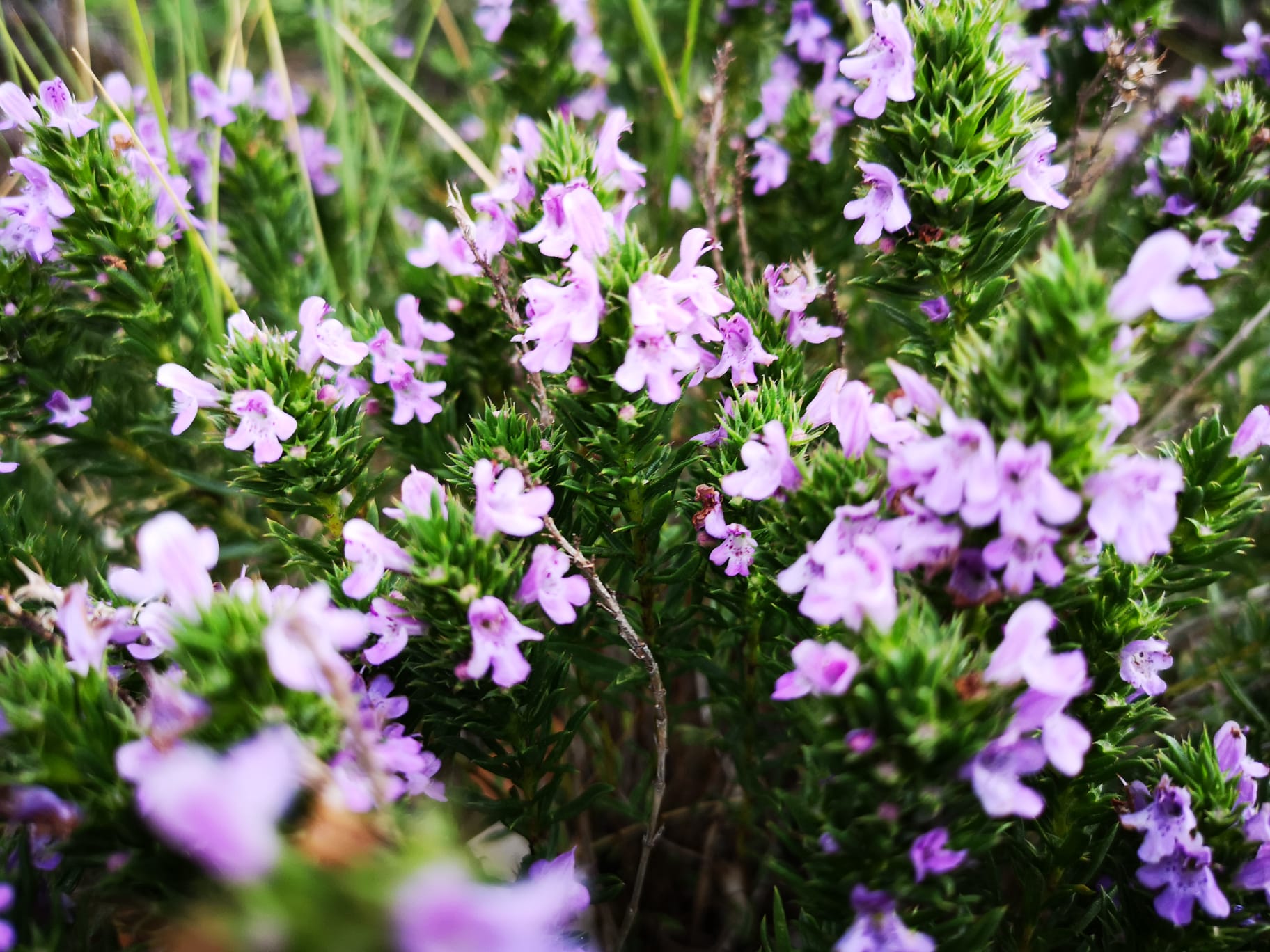
Raw Sage Honey is light in color, giving it a beautiful, golden glow. This monofloral honey has a low moisture content, which makes it perfectly thick in texture. The taste of Sage Honey is unique and delightful, best described as a balanced mix of fruity and spicy notes that linger on the palate.
This honey presents a high content in antioxidants, protein and polyphenols, which result in a number of health benefits that have been harnessed first by traditional, folk medicine. Just like the darker honeys, heather honey has a great deal of minerals.
This type of honey that does not have a specific plant that gives it its aroma, but its taste and color vary depending on the abundance of flowers in the meadow where the bees collected nectar. One plant can predominate in meadow honey, but not with more than 50% share, because then it is no longer meadow honey. The properties of this honey are as wide as its ingredients, it is very common in everyday use due to its popularity, very often when we say honey we mean meadow honey.
Forest honey is honey of a dark reddish color, with a very intense taste and smell. This honey does not come from flower nectar, but is obtained from honeydew. honeydew is a sweet, sticky mass, extremely rich in carbohydrates, secreted by aphids, which feed on tree sap. Forest honey is high-quality honey, rich in minerals and antioxidants, and has antibacterial and anti-inflammatory properties. Since forest honey contains less sugar than nectar honey, it is recommended for sore throats and for diabetics